
"I'm Not Sure, But..."
My surgeon gave my knees an 80% chance. It seems I'm in the 20%.
I have worn the cartilage away in both knees. A few months ago, he went in to operate: an arthroscopy, then microfracture, a procedure that tries to coax the bone into growing fresh cartilage where the old has gone.
He was upfront about the odds before we started. It's starting to look like I'm among the ones it doesn't work for. I don't fully know why yet. I've got more scans booked in the next few weeks to try and find out.
Then I read something by writer Seth Godin. He says the opposite of "I don't know" isn't "I'm certain".
It's "I'm not sure, but…"
"I don't know" ends a conversation. It hands the authority to someone else and lets you off the hook. It's sitting in the back row, arms folded, waiting to be rescued.
"I'm not sure, but…" does the opposite. It's sitting in the front row, hand up, leaning in. It’s “here's my hunch, here's where I'd look next”.
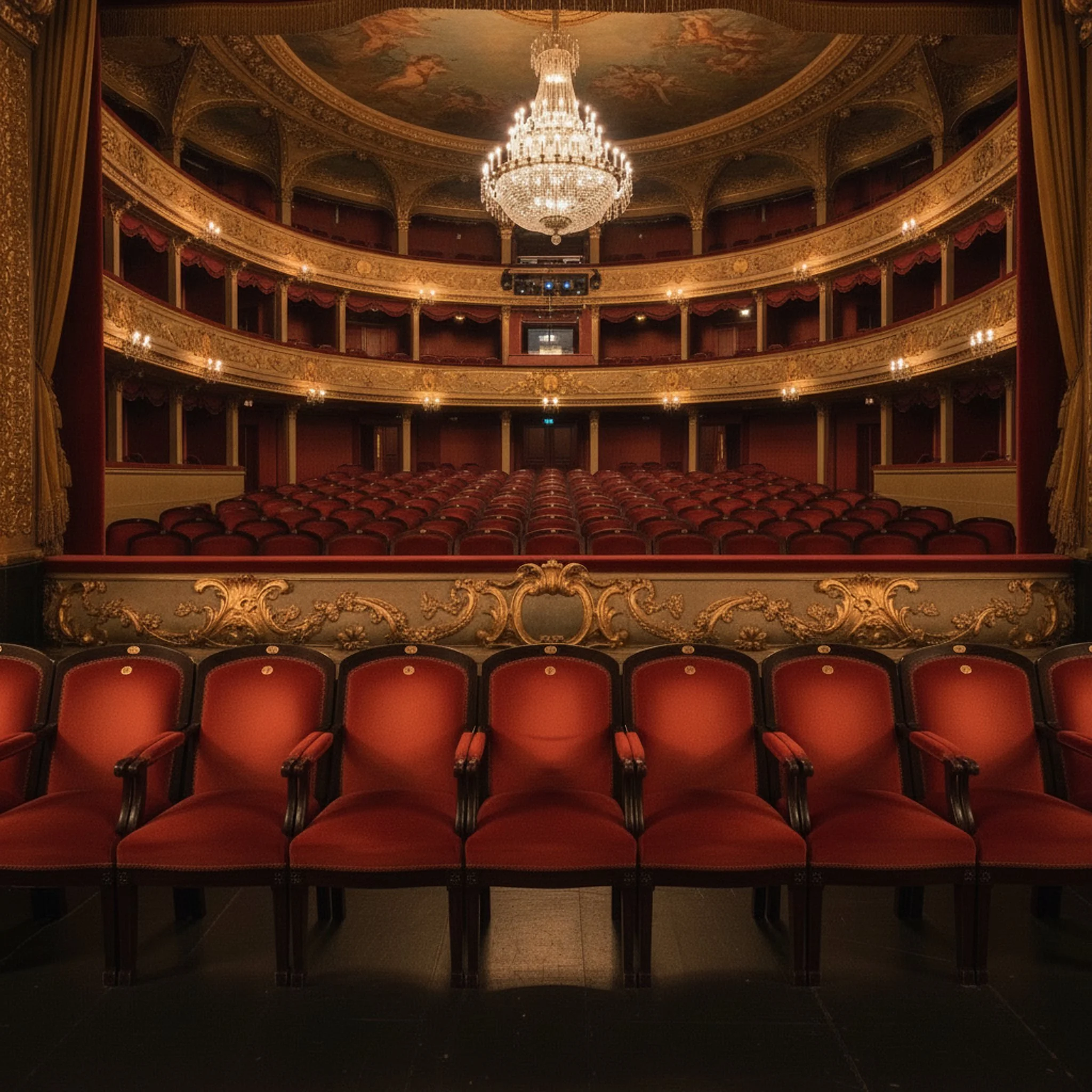
Taking a Seat in the Front Row
So that's the seat I'm taking with my own knees.
I don't know why the surgery hasn't gone the way we hoped. I'm not sure, but I'm asking my surgeon a different set of questions, rather than filing it under bad luck and moving on.
That's the same seat I ask my clients to sit in. Most of them aren't asking me for a return figure. They're asking, in one form or another, will I be okay?
The Plan behind the Odds
A client doesn't come to me for a guarantee. If I offered one, you'd be right not to trust it. They come because they want someone in the front row with them. Someone turning every parameter they can control, how much they spend, when they stop working, how their pension is invested, what allowances they use, into a plan. And every parameter they can't, markets, inflation, how long they'll live, into a plan they can actually rely on.
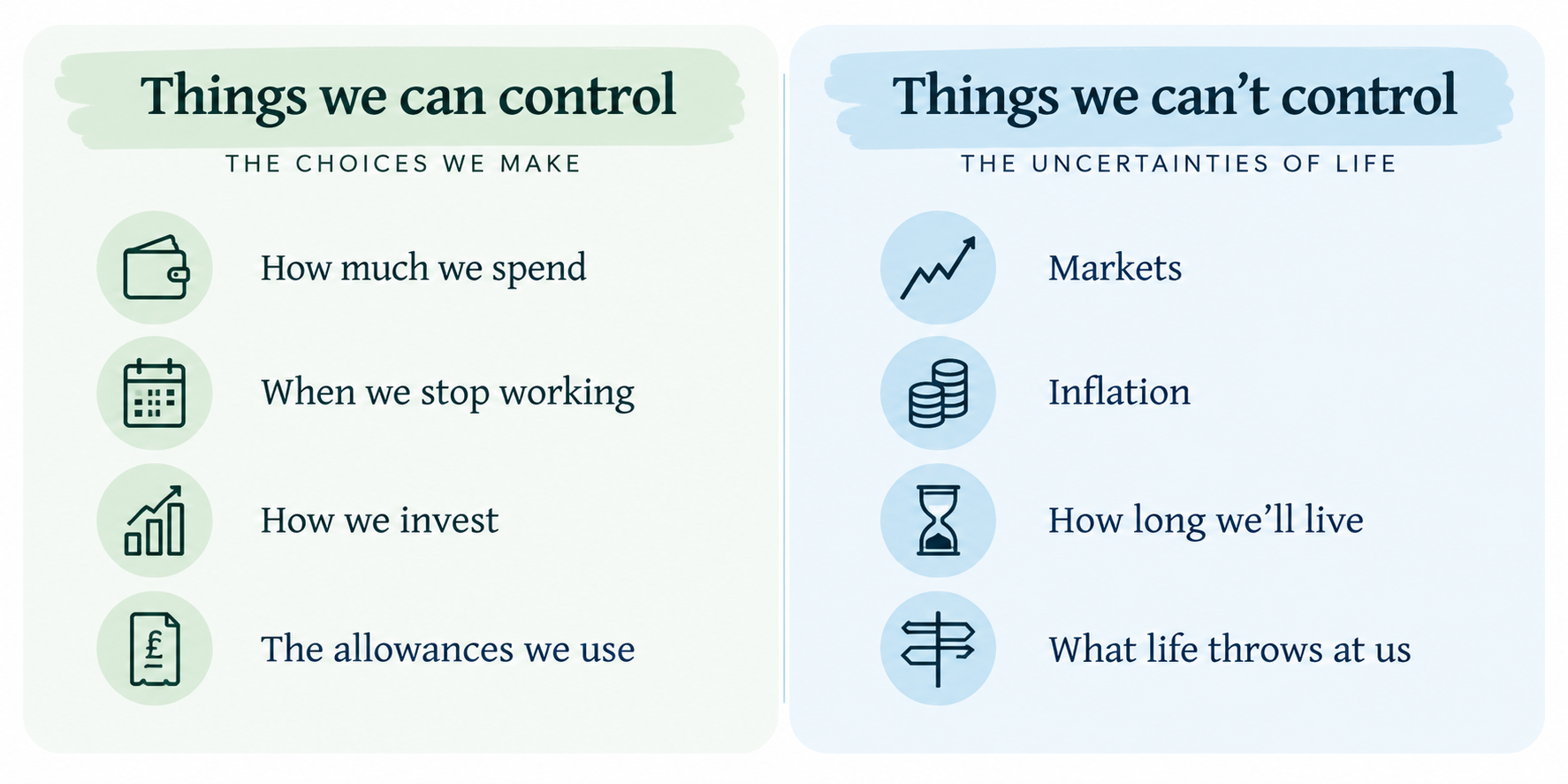
My surgeon didn't guarantee me good knees. He gave me odds and built a plan around them. Now he's running more tests because the picture changed. Nobody would call that a failure of medicine. It's just what medicine looks like when it's honest.
Financial planning works the same way. The value was never in the forecast. It's in building the plan together, then coming back to it - again and again - as life moves the goalposts, because it will.
Stay Curious
So, if you ever hear me say "I'm not sure" in a meeting, don't take it as a weakness. Take it as the start of the only sentence worth finishing.
If you're sitting with your own version of "Will I be okay?" that's the conversation I am happy to have every time.